Think of this page as a reference you can come back to. It collects common questions about chimney cap installation from homeowners around North Vancouver and answers each one directly, with the reasoning behind it. Whether you landed here after typing “chimney cap replacement” or someone who recently had their chimney fixed sent you the link, you should leave with a clearer idea of what needs doing, what can wait and what to ask before any work begins.

Sometimes yes, often no, and the deciding factor is whether the damage touches the path the smoke takes. A chipped brick on the outside of the stack is not going to change how the fire drafts tonight. A broken flue tile, a liner with gaps, a crown that lets rain pour into the flue or a fan that has stopped running can. When we are asked this on the phone, we usually suggest leaving the fireplace or stove cold until the chimney has been checked. A few quiet evenings cost nothing, and a carbon monoxide alarm near the bedrooms is cheap protection in any home with a fuel-burning appliance.
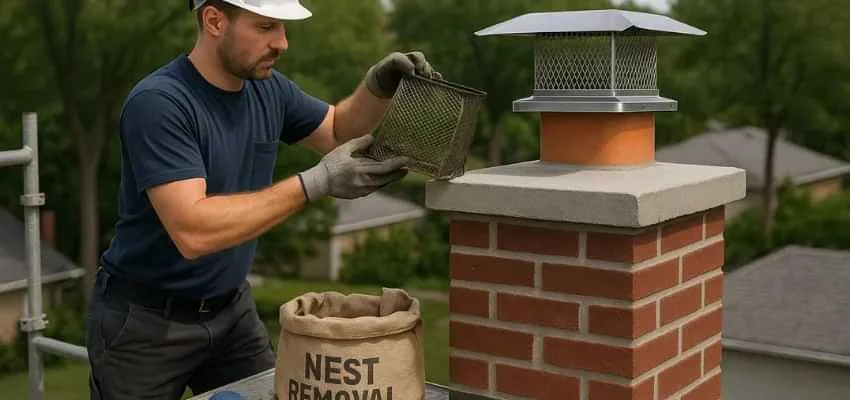
It can let them into the chimney, and from there into the house in some cases. Birds, squirrels and raccoons use uncapped flues as shelter, and a damper left open or a gap in an old firebox can give them a route indoors. Signs include scratching or chirping in the chimney, nesting debris in the firebox and a strong smell. Do not light a fire to drive animals out. A wildlife service may be needed first, and then the cap can go on. People who search for “chimney cap replacement” after an animal visit should ask that the flue be checked for nests before the new cap is fitted.
We replace caps for three main reasons: corrosion, storm damage and the wrong fit. Painted or galvanized steel caps rust at the seams and screen, and once the mesh breaks apart, animals and debris walk right in. Wind and falling branches can knock a cap loose or tear it off, especially if it was held by a single screw. Fit matters too: a cap that does not match the flue can rattle loose, choke the draft or leave gaps at the sides. Sometimes the mesh is simply plugged with creosote; in that case we clean it and explain why it clogged.
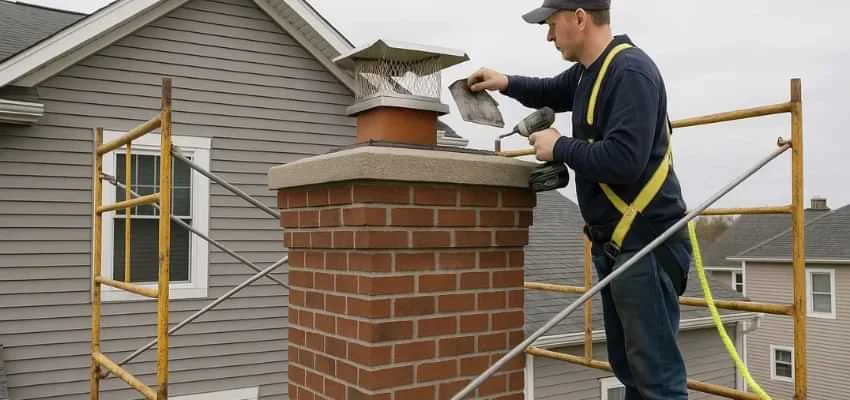
The main choices are stainless steel, copper and galvanized steel, in single-flue or full-width designs, and we pick based on the chimney rather than the catalog. First we measure the flue tile or crown, count the flues and check whether the tile stands tall enough to clamp to. We also note what the chimney serves, since some stoves and gas appliances call for specific cap designs. Stainless is our everyday answer, copper suits homes where looks matter, and low-cost galvanized caps rarely last as long. Fitting means fastening the cap firmly, checking the mesh is clear and making sure it sits square.
The cost of chimney repair depends mostly on the part being fixed, how much damage there is and how hard the chimney is to reach. A tall chimney on a steep roof needs more equipment and time than a short one on a gentle slope. Materials vary too: stainless steel, copper and custom-sized parts cost more than standard ones, and masonry work depends on how many joints or bricks are involved. Hidden damage found once work begins, such as rotted framing under a chase cover, can add to the total. A written quote that spells out the scope makes comparisons easier.
Small chimney repairs, such as replacing a cap, sealing a crown or freeing a damper, often take a few hours. Mid-sized jobs like new flashing, a new chase cover or a fan installation usually fit into a day. Larger masonry work, including repointing an entire stack or rebuilding the section above the roof, can take several days, because mortar and concrete need time to set between stages. Weather adds to the schedule for anything done outside, since rain and cold delay masonry. Ask for an estimate of both working time and total calendar time before the job is booked.
The flue tile, and sometimes the whole top of the chimney. For a single-flue cap, the outside length and width of the tile and how far it sticks up above the crown decide which base will fit. For a full-width cap, the measurement is the crown itself, plus the height of the tallest flue so the hood clears it. The number of flues, the fuel each one serves and any antenna or bracket on the chimney matter too. A careful company measures on the roof before ordering, which avoids a second trip and a cap that rattles loose. Expect this step early in chimney cap installation.
Most chimney repairs are not do-it-yourself jobs, mainly because they involve working at height on a roof or inside the flue, where mistakes affect safety. What homeowners can do safely is watch and report: look at the chimney from the ground with binoculars, check the attic and walls near the chimney for stains after rain, keep the hearth area clear and open and close the damper now and then to make sure it moves freely. Leave masonry, flashing, caps, liners, fans and anything connected to a gas appliance to a professional. Patching with roofing tar usually hides a problem rather than fixing it.
A few direct questions reveal a lot about a chimney repair contractor:
Clear, specific answers are a good sign. If the replies stay vague or the price changes without explanation, it is reasonable to get another opinion before agreeing to the work.
If you have never had this done before, it helps to know what to expect. We walk you through the visit, how long it usually takes and what you will see when we finish. Start with a quote and ask us anything along the way.
Brush, vacuum, inspect: how Chimney Cleaning works for North Vancouver fireplaces
Why North Vancouver homeowners book Chimney Sweep visits yearly
Flue brushing, damper checks, cleanup: Chimney Sweep Services in North Vancouver
Smoke backing into the room? Call Fireplace Experts in North Vancouver
A cleaner-looking fire after Gas Fireplace Cleaning
Fewer surprises mid-winter with Gas Fireplace Maintenance in North Vancouver