
Plenty of people only think about their chimney when the first cool evening arrives and they want a fire. Others notice a problem in spring after a wet stretch of weather. Either way, a search for “chimney chase services” usually starts with a simple question: does this need fixing now? Here you will find practical answers about chimney chase repair for homes in North Vancouver, including what the work involves, how long it takes and how to keep the chimney sound afterward.
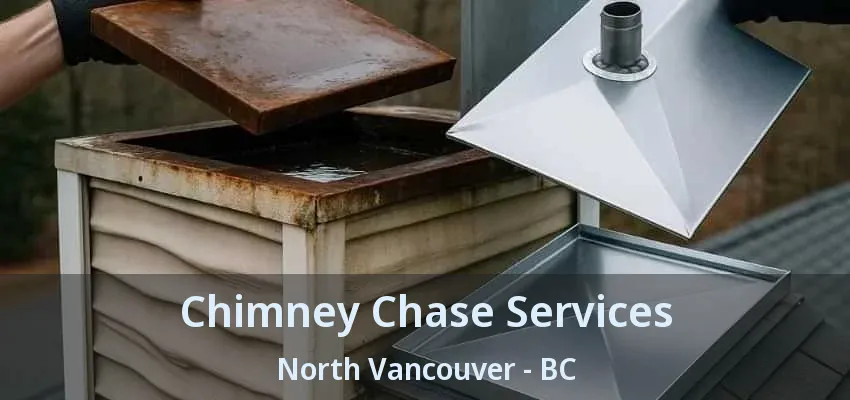
A chimney chase is the framed box, usually finished with siding, stucco or stone veneer, that encloses the metal flue of a factory-built fireplace or stove. Unlike a brick chimney, the chase does not carry the smoke; the insulated metal pipe inside does that. The chase hides and protects the pipe and makes it look like part of the house. At the top, a metal chase cover with an opening for the flue keeps rain out. Because it is built like an exterior wall, a chase needs the same care as siding and roofing, plus regular attention to that top cover.
Chimney repair is important because a chimney has two jobs that both depend on it being sound: carrying smoke and combustion gases out of the house, and keeping rain and snow out of the structure. A cracked crown, a loose cap or a failing seal lets water into the masonry, the roof framing and the walls around the fireplace, and that kind of damage spreads quietly. A fault inside the flue can let heat or gases reach places they should not. A fireplace that still lights is no proof that everything is fine, so it pays to fix small problems while they are still small and inexpensive.
It depends on the damage, so the safe default is to hold off until someone has looked at it. Cosmetic problems on the outside, such as a stained brick face, rarely affect how a fireplace works. Damage inside the flue, a cracked liner, a damper stuck shut or a blocked vent is different, because smoke and hot gases may not leave the house the way they should. If you notice smoke spilling into the room, a strong smell or soot where there was none before, stop using the fireplace. Keep working carbon monoxide alarms on every level of the home either way.
The most common signs show up as water, debris or poor performance. Watch for:
Outside, look for white staining on the bricks, gaps in mortar joints and a cap or flashing that looks loose. Any one of these is worth a closer look by someone who can reach the chimney safely.
Often, yes. If the framing is still solid, damaged siding panels, trim boards and corner pieces can be replaced on their own, matched as closely as possible to the rest of the house. The key is fixing whatever let water in, usually the cover or collar at the top, and then checking the sheathing behind the damaged area. Where framing members have rotted through, those sections are rebuilt before new siding goes on. Heat shields and clearances around the factory-built flue must stay as the manufacturer intended. A good chimney chase repair plan describes each layer being replaced, not just the visible finish.

Small chimney repairs, such as replacing a cap, sealing a crown or freeing a damper, often take a few hours. Mid-sized jobs like new flashing, a new chase cover or a fan installation usually fit into a day. Larger masonry work, including repointing an entire stack or rebuilding the section above the roof, can take several days, because mortar and concrete need time to set between stages. Weather adds to the schedule for anything done outside, since rain and cold delay masonry. Ask for an estimate of both working time and total calendar time before the job is booked.
Mention what the chimney is made of, what it serves and what you have noticed, because a few details on the phone save a lot of time on the roof. We ask which appliances use the flue, how many stories the house has and how steep the roof is. We ask what you have seen: a stain, debris in the firebox, a stuck handle, a rattling cap, smoke in the room. We ask when it started and whether a roofer or another contractor worked nearby recently. Two quick phone snapshots, one of the chimney top from the yard and one of the problem area inside, often tell us which parts and ladders to bring on the first trip.
Yes, a reroof is an ideal time. Roofers remove the shingles and flashing around the base of the chase, so any soft sheathing or damaged framing there is exposed and easy to repair. It is also the moment to replace a tired chase cover, since crews and ladders are already on site. Coordinate with the roofing contractor so the chase is sealed and flashed before the new shingles are finished around it. If you are planning a reroof and searching for “chimney chase services”, ask both companies who will handle the flashing so nothing falls between the two jobs.
A clear hearth, a cold fireplace and room for a ladder cover most of what we need. We lay drop cloths in front of the fireplace, so a few feet of open floor helps, and glass doors or screens may need to come off. Outside, our ladders go on firm, level ground near the chimney; parked cars, garden beds and stored items in that spot slow the setup. We also like to know where the attic hatch or basement access is if the repair could involve them. Pets are happier in a closed room, since we will be going in and out of doors often.

You can contact us just to ask whether a visit makes sense. If the answer is no, we will say so. If it is yes, we will explain why. Reach Chimney Sweep North Vancouver at (778) 601-9928 for an honest opinion about your chimney.
Brush, vacuum, inspect: how Chimney Cleaning works for North Vancouver fireplaces
Why North Vancouver homeowners book Chimney Sweep visits yearly
Flue brushing, damper checks, cleanup: Chimney Sweep Services in North Vancouver
Smoke backing into the room? Call Fireplace Experts in North Vancouver
A cleaner-looking fire after Gas Fireplace Cleaning
Fewer surprises mid-winter with Gas Fireplace Maintenance in North Vancouver


