Maybe you just took over a property with a fireplace nobody explained to you. Maybe you have run the same stove for many winters and never thought much about the flue above it. Either way, looking up “chimney creosote cleaning” means you are already asking the right questions. This page gathers what people in North Vancouver usually want to know about creosote cleaning, explained the way a technician would at your hearth.
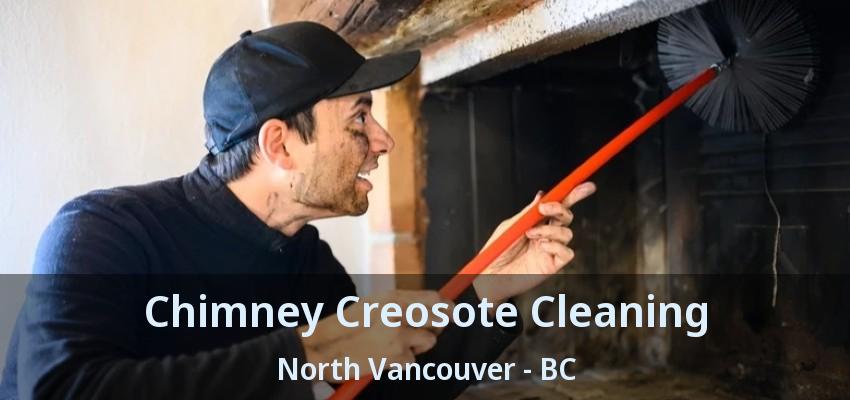
Gas leaves far less buildup than wood, so a chimney serving only gas needs much less cleaning, but it still needs a regular check. Creosote is rarely the issue. The risks are different: nests, leaves and fallen debris can block the opening, and the water vapor in gas exhaust can wear down masonry and old liners over time. A blocked or damaged flue can push carbon monoxide back indoors, so keep working CO alarms on every level. Leave burners, valves and pilots to a qualified gas technician, and if you ever smell gas, leave the building and call your gas utility from outside.
The smell comes from deposits reacting with moisture, and summer simply supplies more moisture. Creosote is porous, so on muggy days it soaks up water and releases the odor compounds trapped inside it. At the same time, a house with its windows shut and fans running often pulls outside air in through the easiest opening, which is frequently the chimney. We confirm that by feeling for a downdraft at the damper. Musty or rotten smells point elsewhere: water soaking into masonry, leaves decaying on the smoke shelf or an animal that died in the flue. Each cause has a different fix, so identifying it comes first.
Signs of a chimney fire include a loud roaring or popping sound, dense smoke, a strong hot smell and sparks or flames from the top of the chimney, but many chimney fires burn quietly and are only discovered later. Afterward you might notice puffy, honeycomb-like flakes of creosote on the roof or ground, a warped damper or cap, cracked flue tiles or discolored metal. If you think a fire is happening, get everyone outside and call the fire department. If you suspect one happened in the past, stop using the fireplace or stove until the chimney has been inspected.
Creosote collects fastest where smoke cools before it escapes, and some chimneys are simply built in a way that encourages that. A flue that is much larger than the appliance needs, such as an insert fed into an old fireplace flue without a properly sized liner, lets smoke drift slowly and condense. Chimneys on outside walls lose heat in cold weather. Long or horizontal stovepipe runs give smoke more time to cool. Burning habits add to it. If your search for “chimney creosote cleaning” came after finding heavy buildup only a season after the last cleaning, ask the technician whether the setup itself is part of the cause.
Glazed creosote comes off with tools and time, since an ordinary brush glides over it like a broom on ice. We describe creosote in three stages: a loose, sooty layer that brushes away, a crunchy, flaky layer that needs stiffer heads, and a glossy third stage that clings to the liner like candy coating. For that last stage we use rotary heads with chains or cutting blades, spun on a drill and matched carefully to the liner so we do not damage it. Chemical modifiers help too, turning the glaze into a brittle crust we can sweep out later. Each method has limits, so we explain them first.
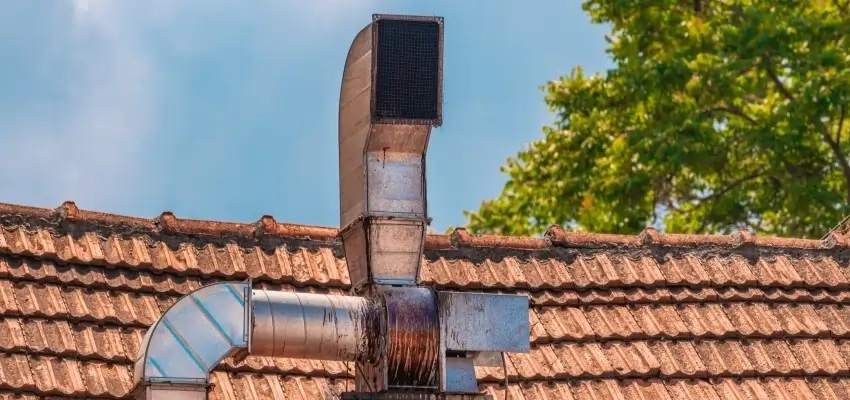
Yes, though the method depends on how the insert is connected. Many inserts vent through a full stainless liner running up the chimney, which can be swept from the roof or through the insert after its baffle is removed. Older installations sometimes have only a short connector into the original flue, and those often need the insert pulled forward so the smoke chamber and flue above can be reached. Pulling an insert takes more time and care. When booking creosote cleaning, mention that you have an insert and, if possible, how it connects, so the crew brings the right tools.
About an hour covers a typical single flue; when a visit runs longer, the chimney is almost always the reason. Laying drop cloths, setting up the vacuum, sweeping, cleaning the smoke chamber and packing up form the core. A wood stove or insert adds time because pipes and baffles come apart. Steep or slippery roofs slow everything down, since roof safety is not something we rush. Heavy creosote or a camera inspection add more. When we book, a few questions about the appliance and the roof let us give you an arrival time and an honest estimate of how long we will need.
A cold firebox and a bare hearth help us more than anything else. Clear a few feet of floor for the vacuum and drop cloths, and lift screens and ornaments off the hearth itself. Warm ash is the most common reason a job starts late, since we cannot clean safely until it has cooled. Outside, we need a stable spot near the chimney for the ladder, so mention soft ground, flower beds or a deck that might be in the way. Tell us about alarm systems, a dog that dislikes visitors or a roof that is easier to reach from the back. Those small details save time on the day.
The chimneys we find cleanest belong to owners who burn hot and dry. Creosote forms when smoke cools before it leaves the flue, so anything that keeps smoke hot and thin helps. Well-seasoned wood looks gray, has cracked ends and knocks hollow; heavy, fresh-looking logs hiss and smoke. Top-down fires, with kindling above the larger pieces, tend to burn cleanly from the start. Stove owners who run a brisk fire for a while each morning, rather than smoldering it all night, also see less buildup. A flue that stays lightly coated from one year to the next is the clearest proof the routine is working.
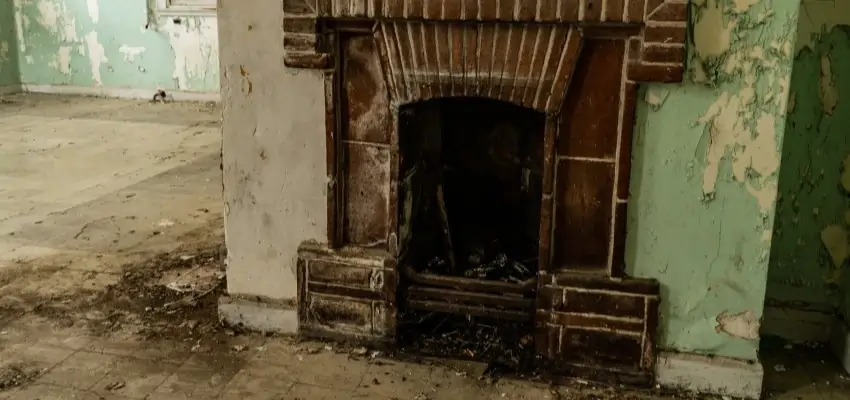
Older homes often hide earlier repairs, odd layouts and materials that need a careful approach. Our technicians take the time to see how earlier work on your chimney was done before recommending anything. Call (778) 601-9928 to talk about your home.
Brush, vacuum, inspect: how Chimney Cleaning works for North Vancouver fireplaces
Why North Vancouver homeowners book Chimney Sweep visits yearly
Flue brushing, damper checks, cleanup: Chimney Sweep Services in North Vancouver
Smoke backing into the room? Call Fireplace Experts in North Vancouver
A cleaner-looking fire after Gas Fireplace Cleaning
Fewer surprises mid-winter with Gas Fireplace Maintenance in North Vancouver