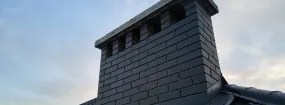
Chimney work comes with its own vocabulary: crowns, chases, flashing, flue liners, dampers and more. You do not need to memorize any of it to make a sound decision, but a little background helps. If you looked up “chimney crown services”, the answers here turn the jargon into practical advice for homes in North Vancouver and explain what chimney crown repair actually changes, so your conversation with any contractor feels a lot less like guesswork.

Repairs matter because chimneys tend to fail slowly at first and then expensively. We regularly open up a chimney where a minor issue, such as a missing cap or one cracked mortar joint, was left alone for a few seasons. By then, water has soaked the bricks, rusted the damper or softened the wood framing beside the stack. Work at that stage takes longer and uses far more material. Catching the same fault early usually means a short visit and a modest bill. There is a safety side too, because a damaged flue or liner can let heat and smoke escape where nobody expects them.
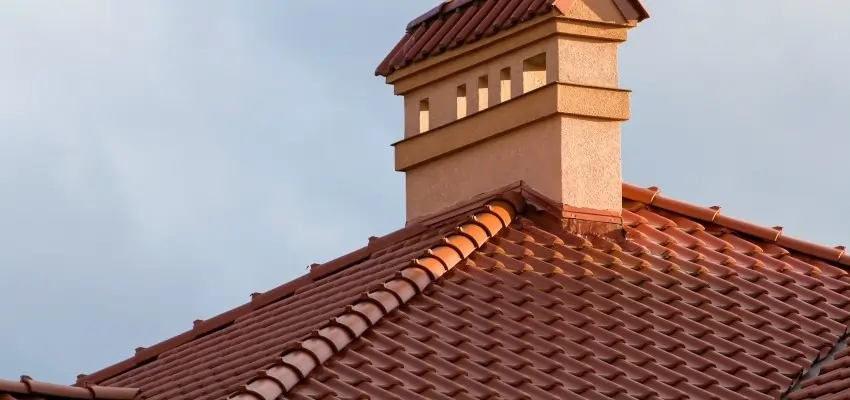
A sound crown is a solid slab of concrete or a purpose-made crown mix, not a thin layer of brick mortar, and it slopes away from the flue so water runs off quickly. Its edges extend slightly beyond the brick on every side, with a drip groove underneath so water falls clear instead of running down the face of the chimney. Around the flue tile there is usually a small gap filled with flexible sealant. The surface should be free of cracks and crumbling spots. If you are comparing options for “chimney crown services”, ask whether a new crown will be built with an overhang and a drip edge.
A chimney crown is the slab, usually concrete or mortar, that covers the top of the brickwork around the flue, while a chimney cap is the metal cover that sits over the flue opening itself. The crown seals the masonry and sheds water away from the bricks. The cap keeps rain, animals, leaves and sparks from entering or leaving the flue. Most masonry chimneys need both, because they protect different things. If the crown is cracked, a new cap will not stop water soaking into the bricks, and if the cap is missing, a sound crown will not keep rain out of the flue.
It depends on the damage, so the safe default is to hold off until someone has looked at it. Cosmetic problems on the outside, such as a stained brick face, rarely affect how a fireplace works. Damage inside the flue, a cracked liner, a damper stuck shut or a blocked vent is different, because smoke and hot gases may not leave the house the way they should. If you notice smoke spilling into the room, a strong smell or soot where there was none before, stop using the fireplace. Keep working carbon monoxide alarms on every level of the home either way.
Use binoculars or a phone camera zoomed in from a safe spot in the yard or at a window. Look for cracks across the top surface, chunks missing from the edges, dark staining or white deposits on the top courses of brick and moss or plants growing on the crown. Pieces of concrete in the gutter or on the roof below the chimney are another clue. Inside, rust on the damper or water in the firebox can point to the crown as well. Homeowners who start searching for “chimney crown services” after spotting any of these should stay off the roof and let a technician confirm the damage.
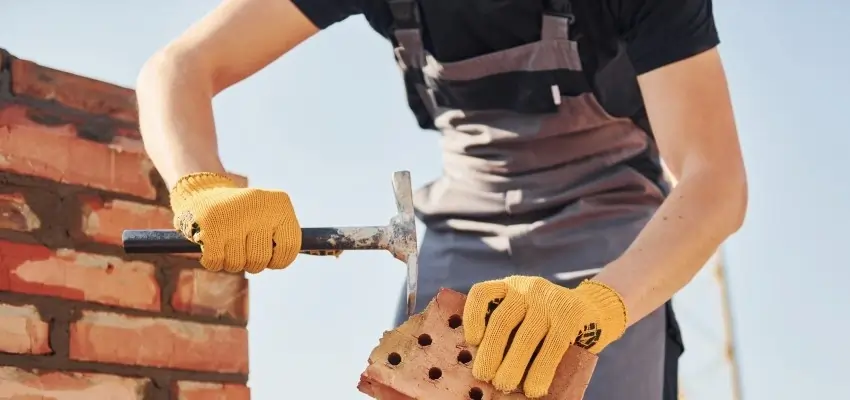
Your chimney is most likely leaking at the crown, the flashing, the cap or through porous brick, though the stain rarely appears where the water gets in. Rain that slips past a cracked crown may travel down inside the masonry and show up at the firebox. Flashing leaks tend to stain the ceiling or the attic framing next to the chimney. An uncapped flue lets rain fall straight onto the damper, where it causes rust and a damp smell. Porous brick can wick moisture through the whole stack during long storms. We often test one area at a time with a hose, starting low and working up, so the repair targets the real entry point rather than a guess.
Stains, debris and stiff moving parts inside the house are usually the first signs, long before anything looks wrong from the yard. A water mark on the ceiling beside the chimney, a musty smell when it rains, flakes of tile or mortar in the firebox and a damper that has gone stiff all point to something above. Outside, white chalky deposits on brick tell us water is moving through the masonry, and dark streaks below the cap or chase cover suggest rust. Smoke that hangs at the fireplace opening points to a draft problem. We trace each clue back to its source before suggesting any repair.
Not every repair needs the roof, and when one does, we plan safe access before we arrive. Work at the top of the stack means ladders, roof brackets or harnesses tied to a secure anchor, plus soft-soled footwear and pads to protect shingles. Steep or high roofs may call for extra equipment or a second technician. Wet, icy or very windy weather puts roof work on hold, because no repair is worth a fall. Jobs at the bottom of the chimney, such as an ash dump, a throat damper or a stove connection, keep us indoors, where the main concern is protecting floors and furniture from soot and dust.
A few direct questions reveal a lot about a chimney repair contractor:
Clear, specific answers are a good sign. If the replies stay vague or the price changes without explanation, it is reasonable to get another opinion before agreeing to the work.
A new address is a good moment to find out the real condition of your chimney, since previous owners rarely leave notes. Chimney Sweep North Vancouver can take a look and tell you what is fine and what deserves attention. Book a visit while you are settling in.
Brush, vacuum, inspect: how Chimney Cleaning works for North Vancouver fireplaces
Why North Vancouver homeowners book Chimney Sweep visits yearly
Flue brushing, damper checks, cleanup: Chimney Sweep Services in North Vancouver
Smoke backing into the room? Call Fireplace Experts in North Vancouver
A cleaner-looking fire after Gas Fireplace Cleaning
Fewer surprises mid-winter with Gas Fireplace Maintenance in North Vancouver