
Maybe you spotted a stain on the ceiling beside the fireplace, a few brick chips on the roof or a damper that will not budge. Small discoveries like these send many homeowners in North Vancouver looking up “chimney damper services” to find out how serious the problem really is. The answers below explain how chimney damper repair works, what tends to cause the damage in the first place and which details matter when you talk to a company about fixing it.
Sometimes yes, often no, and the deciding factor is whether the damage touches the path the smoke takes. A chipped brick on the outside of the stack is not going to change how the fire drafts tonight. A broken flue tile, a liner with gaps, a crown that lets rain pour into the flue or a fan that has stopped running can. When we are asked this on the phone, we usually suggest leaving the fireplace or stove cold until the chimney has been checked. A few quiet evenings cost nothing, and a carbon monoxide alarm near the bedrooms is cheap protection in any home with a fuel-burning appliance.
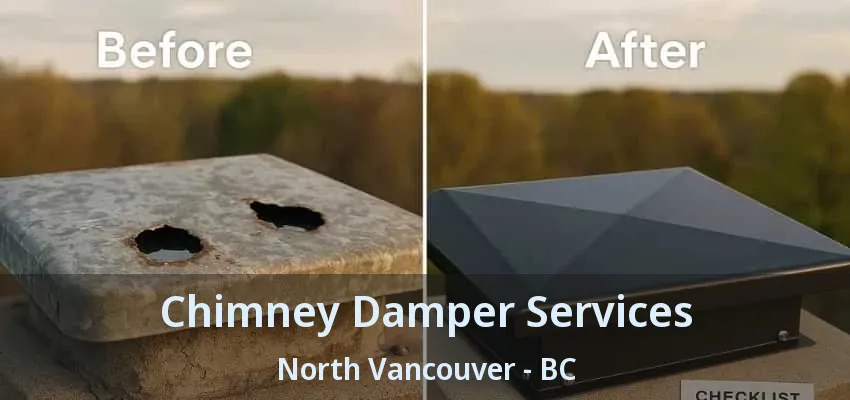
A damper is simply a door in the flue, and the two designs we work on differ mainly in where that door lives. Throat dampers sit low, right above the fire, so they take a lot of heat and tend to warp or rust over time, especially if rain gets down the flue. Top-sealing dampers sit at the chimney top, close firmly on a rubber or silicone seal and are often fitted as a replacement when an old throat damper no longer closes. One caution: a fireplace with gas logs may have its damper clamped open on purpose, and that clamp should stay exactly where it is.
A closed damper that still lets in cold air is usually not sealing. Old throat dampers are metal plates resting on a metal frame, and once they warp or rust, gaps open around the edges. A damper that is not fully closed, because of creosote buildup or a bent handle, does the same. Cold air sinking down a chimney on an outside wall can also chill the firebox even when the damper is tight. If you searched for “chimney damper services” because of a drafty fireplace, a technician can check the seal with a light, adjust or repair the plate or suggest a top-sealing damper.
The most common signs show up as water, debris or poor performance. Watch for:
Outside, look for white staining on the bricks, gaps in mortar joints and a cap or flashing that looks loose. Any one of these is worth a closer look by someone who can reach the chimney safely.
A common guideline is to have a chimney inspected once a year, and many homeowners schedule it before the colder months when the fireplace sees more use. Yearly checks catch small problems such as a loosening cap, a new crack in the crown or a worn mortar joint before they let water in. It also makes sense to have the chimney looked at after a major storm, a chimney fire, a roof replacement or any change of insert, stove or appliance. Chimneys that are rarely used still need checking, because weather damages them whether or not you light fires.

Preparing for chimney repair mostly means clearing access inside and out. Stop using the fireplace or stove at least a day before so the firebox and flue are cool, and move decorations, screens, tools and furniture away from the hearth. Outside, move vehicles, patio furniture, planters and grills away from the side of the house where ladders will go, and unlock any gates. Let the company know about pets, an alarm system or anything fragile near the chimney. If the job involves the attic or basement, such as tracing a leak or emptying an ash pit, clear a path there too.
Closed, once the fire is completely out and the ashes are cold. A shut damper keeps heated or cooled indoor air from escaping up the chimney and stops drafts and odors from coming down. Never close it while embers are still glowing, because smoke and carbon monoxide need a way out. The main exception is a fireplace with vented gas logs, where the damper is often fixed partly open on purpose and should be left that way. If your damper will not close fully or open reliably, booking chimney damper repair is the sensible next step before the next cold evening.
Mostly no: the useful homeowner jobs happen on the ground, not on the roof. Spotting problems early is genuinely valuable, whether that means snapping photos of the chimney top after storms, shining a flashlight at the damper or keeping an eye on the ceiling near the fireplace. Where DIY goes wrong is up top. We regularly undo store-bought sealants smeared over cracks, caps held on with a single screw and mortar patches that trap water. Liner work, flue repairs and gas appliance venting have safety consequences inside the home, so those belong with trained technicians from start to finish.
Choose a chimney repair company that inspects before it quotes, explains the cause of the problem and shows you evidence such as photos. A good company will tell you what it plans to fix, what materials it will use and what the work will not cover. Ask whether its own crew does the work, how it protects your home and roof and how it handles hidden damage found mid-job. Read recent reviews for comments about communication and clean-up. Be cautious about anyone who wants a large rebuild without showing why, or who only offers to coat everything with sealant.

If another company gave you a recommendation that does not feel right, we are happy to take a fresh look. You will get our honest view of your chimney, with no pressure either way. Ask Chimney Sweep North Vancouver for a second look in North Vancouver.
Brush, vacuum, inspect: how Chimney Cleaning works for North Vancouver fireplaces
Why North Vancouver homeowners book Chimney Sweep visits yearly
Flue brushing, damper checks, cleanup: Chimney Sweep Services in North Vancouver
Smoke backing into the room? Call Fireplace Experts in North Vancouver
A cleaner-looking fire after Gas Fireplace Cleaning
Fewer surprises mid-winter with Gas Fireplace Maintenance in North Vancouver


