
Not every chimney project is urgent, and not every one is optional. Some work protects the house from water or heat, while other work mostly improves the look of the roofline or the way the fireplace performs. If you typed “chimney pot services” into a search bar, this page helps sort one from the other, with straightforward answers about chimney pot service for houses in North Vancouver and the reasons behind each recommendation.
It depends on which side of the chimney the problem lives. Shingles, underlayment and roof decking are roofing work, and a good roofer does them well. Anything that carries smoke or heat, from the flue tiles to a prefab chimney pipe, is where chimney training matters, because mistakes there affect safety inside the house rather than just weatherproofing. We often work alongside roofers, especially during a reroof, so flashing and chimney repairs are coordinated. A company that knows its limits and says so plainly is usually the one to trust with the rest.
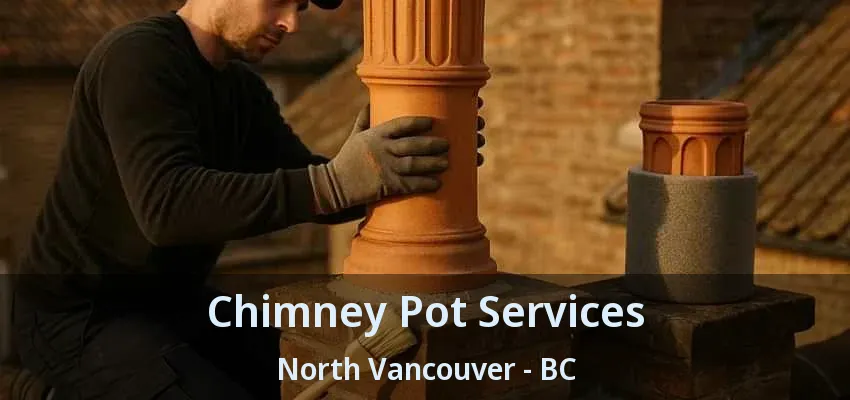
Pots earn their place on the roof in three ways: height, protection and style. A pot adds a little height to the flue, which can help a chimney that struggles to draw. It protects the end of the flue tile and the crown around it from direct weather. And on many older houses, the pots are part of the architecture, so replacing or restoring them keeps the look intact. What a pot does not do on its own is stop birds and squirrels, so we usually fit a guard or cap designed for that particular pot style.
An inspection should come first because it shows whether the planned work is the right work. A technician looks at the chimney from top to bottom, often with a camera inside the flue, and checks for hidden cracks, blockages, water damage and any mismatch between the flue and the appliance. Sometimes the inspection confirms the plan; sometimes it reveals that a leak comes from somewhere else or that a liner needs attention before anything cosmetic is done. Ask for photos or video and a short written summary so you can compare options with confidence.
A careful crew protects your home by covering the hearth and nearby floor, sealing the fireplace opening when soot or dust could escape and using vacuums with fine filters for any debris. Outside, tarps go over shrubs, decks and roof sections where tools or materials sit, and ladders are padded where they touch gutters or siding. Some jobs create very little mess, while others, such as removing old flue tiles, produce more. Ask what protection is planned for your job, and move valuables and furniture away from the fireplace before the crew arrives.
Often they are, especially on older homes where the pots are part of the original look. A sound clay pot with minor chips can usually be cleaned, reset in fresh mortar and fitted with a proper guard. Pots with deep cracks, spalled surfaces or missing sections are harder to save and may be safer to replace with a matching reproduction. Salvaged pots are another option for a close match. People who search for “chimney pot services” for an older home should ask whether restoring, matching or replacing makes more sense for each pot, and why.

We recommend once a year for most homes and treat it like any other seasonal service. The yearly visit lets us see how repairs, repellents, pots or new liners are holding up and catch small issues while they are cheap to fix. We suggest an extra look after high winds, hail or lightning nearby, after any chimney fire and when an appliance is added or swapped. Homes that burn a lot of wood may need sweeping more than once a season. Keeping a simple log of dates and findings makes it easy to spot trends over time.
Yes for some jobs and no for others, so we check the forecast before almost every one. Rain and frost are the big two: wet brick will not take a repellent, freezing nights spoil fresh mortar and icy shingles make roof work unsafe. Extreme heat can be a problem too, drying mortar too fast. That is why spring and fall are our busiest seasons for masonry and waterproofing. Liners and pots are more flexible and can often be fitted in cooler months on a dry day. If a weather window closes, we move the date, because a rushed job in poor conditions rarely holds up.
Usually, yes, as long as the chimney and flue are in good condition and the pot suits the appliance it will serve. The pot must match the flue size so it does not restrict draft, and its weight has to be carried by a sound crown or flue tile. Some homeowners add pots for the look, others to give a short chimney a little more height. A guard or cap made for the pot keeps animals and rain out. Before booking chimney pot service for a new pot, ask to see style options and how it will be secured against wind.
Burn dry wood, keep the top clear and book a yearly check; most of what keeps new chimney work in shape happens between our visits. Seasoned logs keep creosote down and protect liners and flue tiles. A cap or pot that stays clear lets the chimney draft properly. Water is the long-term enemy, so the crown, flashing and any repellent are worth a glance after big storms. We leave written notes on what we did and what to watch for. Homeowners who follow that routine rarely call us back for the same problem.

The weeks before heavy use are the calmest time to deal with your chimney. Appointments are easier to find and any repair can be planned without pressure. Book chimney pot service in North Vancouver while your calendar still has room.
Brush, vacuum, inspect: how Chimney Cleaning works for North Vancouver fireplaces
Why North Vancouver homeowners book Chimney Sweep visits yearly
Flue brushing, damper checks, cleanup: Chimney Sweep Services in North Vancouver
Smoke backing into the room? Call Fireplace Experts in North Vancouver
A cleaner-looking fire after Gas Fireplace Cleaning
Fewer surprises mid-winter with Gas Fireplace Maintenance in North Vancouver


