The first cool evening of the season is when many people remember the chimney and start wondering what state it is in. If you searched for “chimney soot cleaning”, you probably want clear facts before anyone climbs onto the roof. This page answers the questions owners around North Vancouver ask most often about soot cleaning, in plain language and without scare tactics. Read the parts that match your situation, skip the rest and come away knowing what is normal, what deserves a closer look and what can safely wait.
Soot is dry carbon and creosote is a tar-based wood smoke residue, and telling them apart helps us work out what is going on with the appliance. Soot wipes off on a fingertip and falls easily under a brush. When we find heavy soot in a flue serving a gas furnace, boiler or fireplace, we take it as a sign the burner may need attention from a qualified gas technician. Creosote, by contrast, tells us how the wood fires have been run: flaky deposits suggest reasonably hot burning, while sticky or glassy layers point to cool, smoky fires or firewood that was not dry enough.
Soot on the face of a fireplace, especially above the opening, usually means smoke is escaping into the room instead of rising up the flue. Common causes are a damper not fully open, a cold flue at start-up, a house short of fresh air, wet wood or buildup that has narrowed the chimney. Gas fireplaces can leave staining too when the burner is not running cleanly. The stain itself is a clue, so mention it when booking “chimney soot cleaning”. The technician can clear the flue and look for the draft problem that put the soot there in the first place.
Smoke spills in when the draft is weaker than the push of the fire, and we usually trace it to one of a few causes. In tight, well-sealed houses, exhaust fans and dryers create enough suction that the chimney becomes an air intake instead of an exhaust. Short chimneys, nearby trees or a taller roofline beside the stack can disturb the airflow at the top. Inside the flue, heavy creosote, a nest or fallen debris narrows the path. Sometimes the fireplace opening is simply too large for the flue. Finding which one applies takes a look from both ends, and the fix ranges from a habit change to a repair.
Hardened, glazed creosote is usually removed with rotary tools that scrape the flue wall, with chemical products that soften it over several fires, or with both, because an ordinary brush simply slides over its glassy surface. It forms when cool, smoky fires leave layer after layer of tar that bakes hard. Removal often takes more than one visit, and you may be asked to burn a few fires after a chemical application before the technician returns to finish. Sometimes the glaze is so thick, or the liner so damaged beneath it, that replacing the liner is the more sensible option. Ask for photos before and after.
Yes, a gas fireplace that leaves soot on its glass, logs or surround is telling you the flame is not burning cleanly. Causes include logs that have shifted out of position, a burner that needs cleaning or adjusting and venting that is partly blocked. Do not try to rearrange logs or adjust the burner yourself; that work belongs to a qualified gas technician. Keep working carbon monoxide alarms in the home, and if you ever smell gas, leave the building and call the gas utility from outside. A “chimney soot cleaning” visit can clear the vent, while the appliance itself is serviced separately.
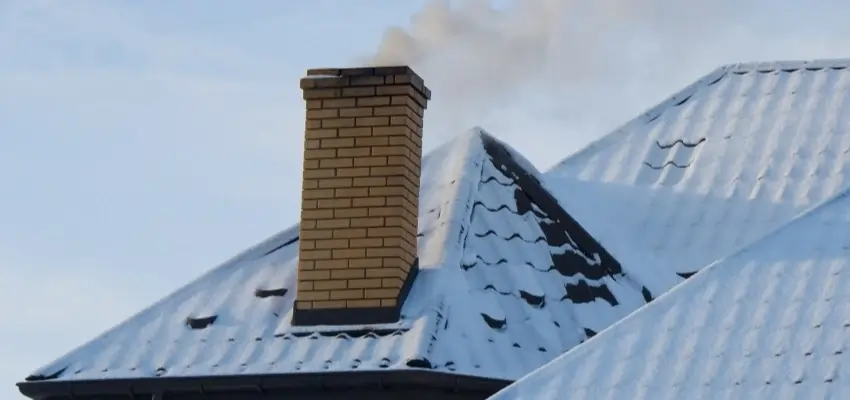
A common guideline is to have a chimney inspected once a year and swept whenever that inspection finds meaningful buildup, which for a fireplace or stove used regularly usually means about once a year. Heavy users, such as households heating mainly with wood, may need sweeping more than once per season. A fireplace lit only a few times each winter may go longer between sweeps, yet it still benefits from the yearly look, because nests, water damage and cracks have nothing to do with how often you burn. Many sweeps regard about an eighth of an inch of buildup as the point where cleaning is due.
Late spring and summer are often the easiest times to have a chimney swept. The burning season is over, so the flue holds a full year of deposits, and sweeping then clears them before humid weather brings out odors. Appointments are also easier to get than in early fall, when many people remember their chimney at the same moment. Fall still works if you book ahead and leave time for any repairs the visit turns up. Heavy wood burners may add a midwinter check. If something already seems wrong, book right away instead of holding out for a particular month.
We recommend CO alarms on every floor of every home we work in, including one near the bedrooms, because a chimney is a safety system and alarms are its backup. Even a well-swept flue can be blocked overnight by a nest or a fallen tile, and a fireplace can spill fumes when exhaust fans pull against it. We also suggest a smoke alarm in or near the room with the fireplace or stove, placed as its maker directs rather than right above the hearth, and a fire extinguisher within reach. If your alarms are older than anyone can remember, replacing them is a small job with a large payoff.
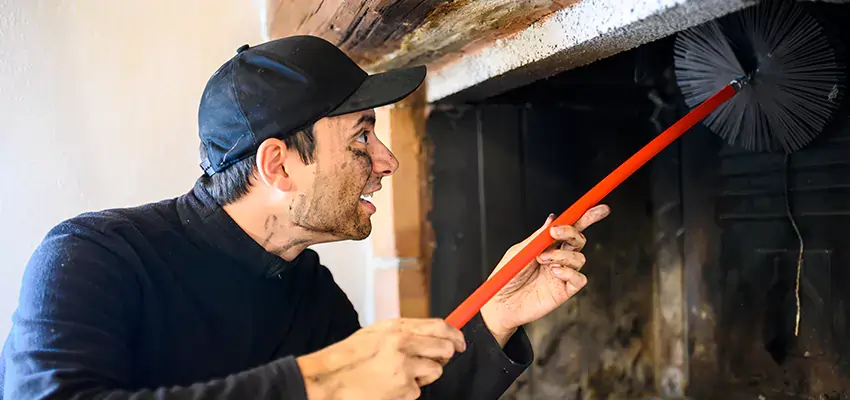
Choose a chimney company that explains its process clearly, quotes based on your actual chimney and shows you what it finds. A good company asks about the appliance, the number of flues and the roof before giving a price, and tells you what the visit includes. On the day, the technician should protect the room, contain the soot and explain the condition of the flue, ideally with photos. Read recent reviews for comments on tidiness and honesty. Be cautious with a very low advertised price followed by pressure to approve large repairs on the spot, and get a second opinion before major work.
That is a smart move. Ask each company what is included, how long the visit takes and what you will be shown afterward. We are happy to answer those questions in writing. Request a detailed quote from Chimney Sweep North Vancouver for your home in North Vancouver.
Brush, vacuum, inspect: how Chimney Cleaning works for North Vancouver fireplaces
Why North Vancouver homeowners book Chimney Sweep visits yearly
Flue brushing, damper checks, cleanup: Chimney Sweep Services in North Vancouver
Smoke backing into the room? Call Fireplace Experts in North Vancouver
A cleaner-looking fire after Gas Fireplace Cleaning
Fewer surprises mid-winter with Gas Fireplace Maintenance in North Vancouver