
Brick chimneys on older houses, insulated metal flues on newer ones, stovepipes, wood-fired ovens and boiler vents all move smoke the same basic way, yet each one ages differently. For property owners in North Vancouver researching “chimney sweep near me”, the answers that follow explain chimney sweeping in practical terms, with notes on the setups that come up most often and the details worth mentioning when you call a company.
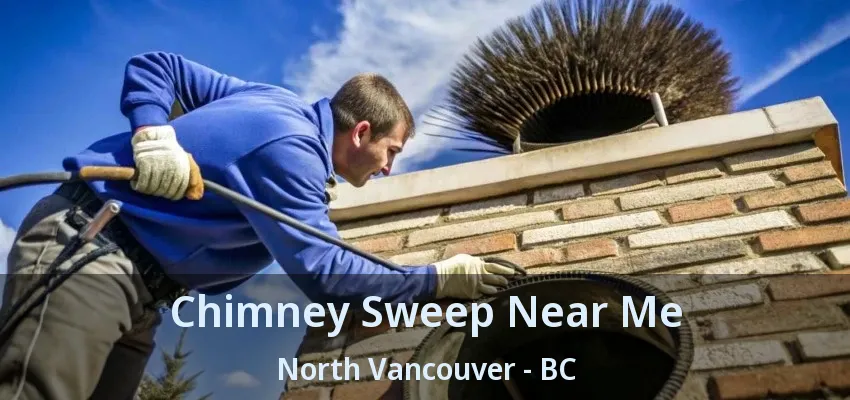
Soot is dry carbon and creosote is a tar-based wood smoke residue, and telling them apart helps us work out what is going on with the appliance. Soot wipes off on a fingertip and falls easily under a brush. When we find heavy soot in a flue serving a gas furnace, boiler or fireplace, we take it as a sign the burner may need attention from a qualified gas technician. Creosote, by contrast, tells us how the wood fires have been run: flaky deposits suggest reasonably hot burning, while sticky or glassy layers point to cool, smoky fires or firewood that was not dry enough.
Black flakes dropping from the damper, a sluggish fire and a campfire smell that hangs around are the signs we see most, and any owner can spot them. When we open a damper and a shower of debris comes down, the flue is overdue. A fire that sulks, needs constant coaxing or leaves a haze in the room tells us the draft is restricted somewhere. A sharp odor long after the last fire usually comes from deposits in the flue. We also ask about the calendar: if nobody remembers when the chimney was last swept, that alone is reason enough to book a look before the next fire.
A chimney quote is mostly time, access and materials, in that order. A single-story house with a gentle roof pitch and one lightly coated flue is quick. A three-story chimney, a slate or tile roof that needs extra care, or a cluster of flues on an apartment building calls for more equipment and more hands. Condition matters too: a flue we can brush in one pass costs less than one that needs rotary tools or several trips. Parts such as caps, dampers or liner sections are separate from labor. We would rather explain those factors up front than surprise anyone later.
Someone should be home, because almost every chimney visit starts and ends at the hearth. The firebox, damper and smoke chamber are reached from inside, and stoves or inserts may need to be opened up. We also prefer to show the owner what we found while the details are fresh, ideally with photos on a tablet or standing in front of the fireplace itself. A trusted neighbor, relative or property manager can stand in if you are at work. For rentals around North Vancouver, it helps to tell tenants ahead of time that someone will be working on the roof and at the hearth.
Tell us what burns in the chimney, what kind of appliance it serves, how tall the building is and what made you call, because those details save guesswork later. Wood, gas or both? A fireplace, an insert or a freestanding stove? Is the roof steep, tiled or metal? Have you had any trouble, like smoke in the room or scratching noises? Has anything changed recently, such as a new appliance or a renovation near the chimney? Those answers tell us whether to bring extra rods, roof gear or a camera, and how much time to reserve. We work around North Vancouver every week, so a good description helps us plan your slot.

Booking a few weeks ahead is usually enough in spring and summer, while early fall can fill calendars much further out. If you plan to light your first fire on a particular weekend, count backward and leave room for any repair the visit might uncover. Ask whether the company keeps a cancellation list if you need an earlier slot. When your search for “chimney sweep near me” is prompted by smoke in the room or an animal in the flue, say so on the call and stop using the fireplace until someone has looked.
Most local companies are happy to return for a quick look if something does not seem right, and being close by makes that easy. Typical reasons include smoke during the first fire after cleaning, a cap that rattles in the wind or a smell that lingers longer than expected. Ask about the company’s follow-up policy when you book, including whether a return visit carries a charge. Note what you noticed and when, and send a photo if it helps. A sweep who works around North Vancouver regularly can usually fit a short check into an existing route.
A local company brings knowledge a visiting crew would have to guess at, and that is the main reason to hire one. Working the same area season after season, we learn which streets have older brick chimneys with clay liners, which developments used factory-built metal flues and where storms tend to loosen caps. We also know local burning habits and when the fall rush begins. That makes quotes more accurate and visits shorter. When you call around North Vancouver, ask where the crew is based and whether the same technician can come back for a follow-up.
If the sweep finds damage, ask to see it, ask what it means for safety and get a written quote before you agree to anything, since a sound recommendation can always be shown and explained. Photos or camera footage should make the problem clear. Ask whether the fireplace or stove can be used in the meantime, and which repairs are urgent and which can be planned. Common findings include a cracked crown, loose flashing, a rusted damper, a missing cap or cracked flue tiles. For larger jobs, such as relining, a second opinion is reasonable. Avoid deciding under pressure on the doorstep.

Parts of a home that have been in place for decades, from chimneys to ductwork, often hide earlier fixes and pieces that are no longer made. We check what is really there first, then talk through realistic options with you. Ask about chimney sweeping for your setup in North Vancouver.
Brush, vacuum, inspect: how Chimney Cleaning works for North Vancouver fireplaces
Why North Vancouver homeowners book Chimney Sweep visits yearly
Flue brushing, damper checks, cleanup: Chimney Sweep Services in North Vancouver
Smoke backing into the room? Call Fireplace Experts in North Vancouver
A cleaner-looking fire after Gas Fireplace Cleaning
Fewer surprises mid-winter with Gas Fireplace Maintenance in North Vancouver


