Whether you own a detached house, a townhouse or a condo, a dryer vent works the same way: warm air and lint travel from the drum to an opening outside. What changes is the route, and the route decides how quickly lint builds up. For homeowners and landlords in North Vancouver researching “dryer vent replacement”, the answers that follow explain dryer vent replacement in practical terms, with notes on the setups that come up most often.
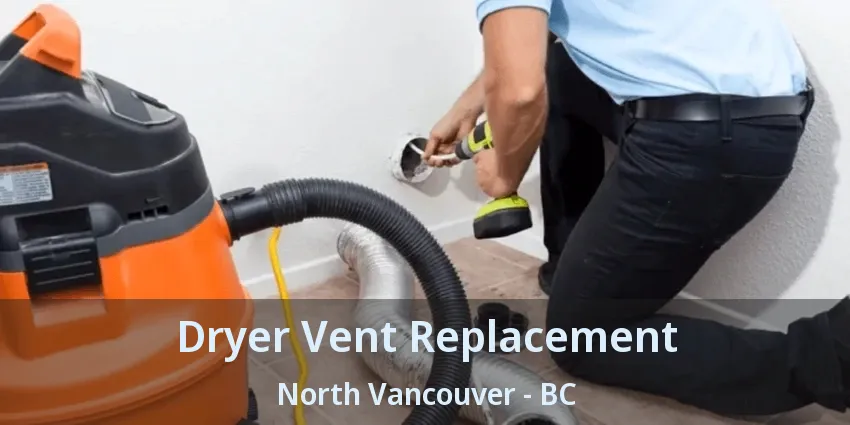
Yes, a badly restricted vent raises the chance of a dryer fire, although most clogged vents never reach that point. What concerns us is a combination: lint packed into the duct, a cabinet that feels hot and a dryer that has been cycling on its high-limit switch for months. Crushed foil or plastic connectors behind the machine make things worse because they hold lint right where the air is hottest. When we clear a vent like that, we also check the connector and the outside hood, since an open path from end to end is what keeps temperatures where the manufacturer intended.
Stop the dryer and get it checked, because a burning smell is a call we take seriously. In many cases it turns out to be lint that drifted past the screen and settled around the burner or element, where it scorches each time the heat comes on. A restricted vent adds to the problem by keeping the cabinet hotter than normal. Our part is to clear the vent and the connector so heat can escape, and to tell you if the inside of the dryer also needs cleaning by an appliance technician. A brand-new dryer can smell a little hot for its first few loads, but a smell that appears suddenly in an older machine deserves a check.
Rigid pipe for the run and a semi-rigid connector at the dryer is our usual answer, but every replacement starts with the route. We measure the run, count the bends and look for a shorter or straighter path, because a new duct on a bad layout still underperforms. Then we fit smooth-wall metal pipe in sections, seal each joint with foil tape, support it so it cannot sag and finish with a hood that has a free-swinging flap. Behind the dryer, the connector is cut to length so it curves without kinking. Before we leave, we run the dryer and check the exhaust at the outside opening, so you can see the result for yourself.
They are cleaned the same way as any other dryer vent, but attached homes give us the most interesting routes. Stacked laundry closets, ceiling runs that cross a hallway and exits through a balcony wall are all common, and access shapes the plan. We often clean from the unit side only when the outside hood is out of reach, and for upper floors we may need the building to open a roof hatch or arrange a lift. In townhouses, the duct sometimes runs under a floor or above a garage ceiling. We always confirm where the termination is before we start pushing lint toward it.
A dryer vent that ends on the roof is cleaned the same basic way as a wall vent, but it usually takes more time and needs roof access, so it is a job to leave to a professional. The technician typically cleans from inside first, then goes up to clear the roof cap, which often has a lint-clogged screen or a flap that has stuck. Roof vents tend to clog faster because the air has to push lint upward over a longer run. If your dryer vents through the roof, mention it when you book so the right ladders and rods come along.
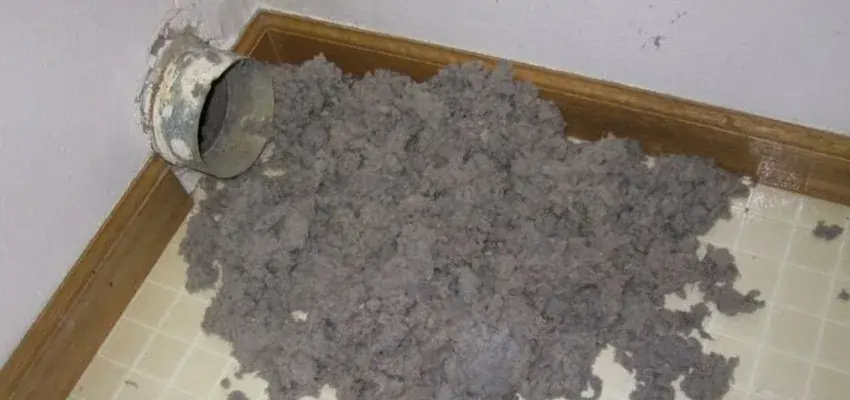
We tell most households to plan on yearly cleaning and then adjust based on what we find. If we pull a thick layer of lint out of the duct after twelve months, that home should come back sooner. If the run is short and only lightly coated, stretching the interval is reasonable. Laundry volume is the biggest factor, followed by vent length, the number of bends and how much pet hair or towel fluff goes through the machine. Writing down the date of each cleaning, with a note about how much came out, makes the right schedule easy to see.
Sometimes, but not always. If the duct runs through an unfinished basement, a utility room or an accessible attic, it can usually be replaced without touching finished surfaces. When it is sealed inside a finished wall or ceiling, the installer may need small access openings at joints or elbows, or may suggest a new route that avoids the old one. Ask before work starts who will patch and paint any openings, since some vent companies handle drywall repair and others leave it to you or a contractor. A clear plan avoids surprises during dryer vent replacement.
In most cases, yes. Once the new duct is connected and sealed, the installer should run the dryer, check airflow at the exterior hood and confirm the connector has a gentle curve behind the machine. You can start laundry right away. A faint smell from new materials or tape for the first load or two is normal. Keep an eye on drying times over the next week; they should be noticeably shorter if the old vent was the problem. If anything seems off after your “dryer vent replacement” work, call the company back while the job is fresh.
If we were hiring someone for our own homes, we would listen to how they talk about the vent. A company that knows the work asks about the route, the exit point and the dryer type before quoting. It explains how it will clean, not just that it will. It shows you the lint and the airflow difference afterward and tells you plainly when something needs fixing. Tidy work matters too, because lint gets everywhere if equipment is handled carelessly. Clear communication on the phone is usually a good preview of how the visit itself will go.
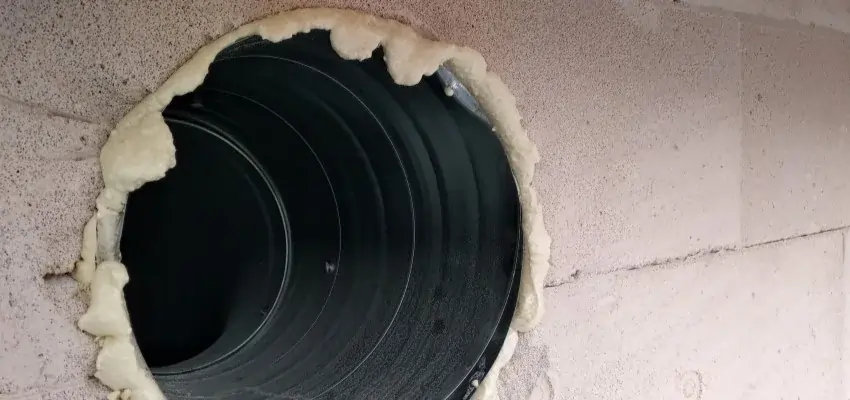
We protect the work area, clean up before we leave and tell you what we found in words that make sense. You end the visit knowing the state of your dryer vent. Book dryer vent replacement with Chimney Sweep North Vancouver when it suits you.
Brush, vacuum, inspect: how Chimney Cleaning works for North Vancouver fireplaces
Why North Vancouver homeowners book Chimney Sweep visits yearly
Flue brushing, damper checks, cleanup: Chimney Sweep Services in North Vancouver
Smoke backing into the room? Call Fireplace Experts in North Vancouver
A cleaner-looking fire after Gas Fireplace Cleaning
Fewer surprises mid-winter with Gas Fireplace Maintenance in North Vancouver