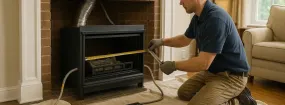
Older homes often come with fireplaces that have seen many winters and a few questionable repairs along the way. If that sounds like yours and you typed “fireplace conversion services” into a search bar, you are probably weighing what to fix, what to keep and what to change. This guide is written for homeowners around North Vancouver and explains fireplace conversion honestly, including the cases where a simpler job makes more sense than a big one.

In most homes we see, yes, but the answer comes from inside the fireplace rather than its surface. A dated surround over a healthy firebox and a working damper is a good candidate for improvement. Cracked firebricks, a rough smoke chamber or a rusted damper are worth fixing in their own right, since they affect how safely the fireplace burns. Where we hesitate is when the chimney itself needs major rebuilding, because then the budget conversation changes. We look at the whole system first, explain what we find and let you weigh appearance against function.
For some homes it is. An electric insert slides into the existing opening, plugs into an outlet and produces a flame effect with modest heat, so it needs no gas line or venting. It suits homeowners who mainly want the look of a fire, live where gas is not available or want to avoid combustion indoors altogether. The trade-offs are less heat than a gas insert and a flame that is a visual effect rather than real fire. The chimney should still be capped or sealed against drafts. If you are weighing options for fireplace conversion, ask to see both types running before you decide.
A conversion pays off most for people who stopped using their wood fireplace because it felt like a chore. Hauling wood, cleaning ash and coaxing a fire to catch all fade into the background with gas. Other good candidates are fireplaces that smoke into the room or would need a costly rebuild to burn wood safely again. We are more cautious when someone loves the crackle of a wood fire or wants independence from the utility. A look at the chimney, the gas supply and your habits usually makes the answer clear within one visit.
A careful crew protects the room with drop cloths, plastic sheeting and tape before any cutting, chipping or grinding starts. Masonry and tile work create fine dust, so the fireplace opening is often sealed and a vacuum with fine filtration runs during the dustiest steps. The flooring in front of the hearth and the path to the door should be covered too. Expect some noise and a little dust despite the precautions, especially if old mortar or a surround is being removed. Ask how cleanup is handled at the end of each day and once the job is done.
Small repairs, such as replacing a few firebricks or fixing a damper, often take a single visit, while refacing, mantel work or a conversion can take several working days spread over a week or two. Masonry and mortar need time to cure before the fireplace is used, and some finishes must set before the next layer goes on. Ordering stone, tile, a mantel or a gas insert can add weeks before work starts. Ask for a schedule that shows working days, waiting time for curing or materials and the earliest date you can light a fire again.
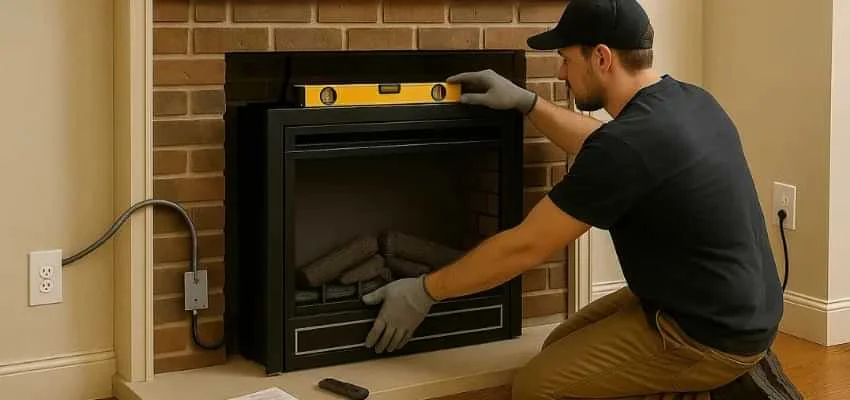
Clear the area around the fireplace well beyond the hearth: furniture, rugs, artwork above the mantel, screens, tools and anything on the mantel shelf. Stop using the fireplace a day or two before so the firebox is cold, and remove ashes if the crew asks you to. Plan a clear path from the door to the room and a spot to stage materials, such as a garage or driveway. If you are choosing finishes, have samples approved before the start date. Keep pets and children away from the work area and agree on where the crew can wash tools.
Yes, a gas conversion needs a gas supply at the fireplace, and running it is work for a qualified gas technician. If the house already has natural gas, the technician checks whether the existing supply can handle the extra appliance and plans a route for the new line. Homes without natural gas may be able to use propane with a tank and an appliance set up for it. Ask about it early when you request quotes after searching for “fireplace conversion services”, since the gas line can be a significant part of the job and sometimes needs a permit.
We give every customer a first-fire date, and it is set by the slowest-curing material in the job. Fresh mortar and refractory products hold water, and heating them too fast turns that water to steam inside the joint, which can crack it before it has hardened. So after firebox, throat or smoke chamber work, we recommend a few small fires before a full one. Tile and stone surrounds have their own adhesive cure times. Gas units are lit and tested on installation day, then left ready to use. Call us if anything looks or smells unusual during those first fires.
When homeowners show us competing quotes, the gap usually comes from scope. One quote may cover a new surround but say nothing about the cracked firebricks behind it; another includes the repair and the curing time. We suggest laying them side by side and asking three questions of each: what exactly is being fixed, what exactly is being installed and what happens if something unexpected turns up when the old finish comes off. Clear, specific answers point to a contractor who has thought the job through. Vague ones usually mean extras later.
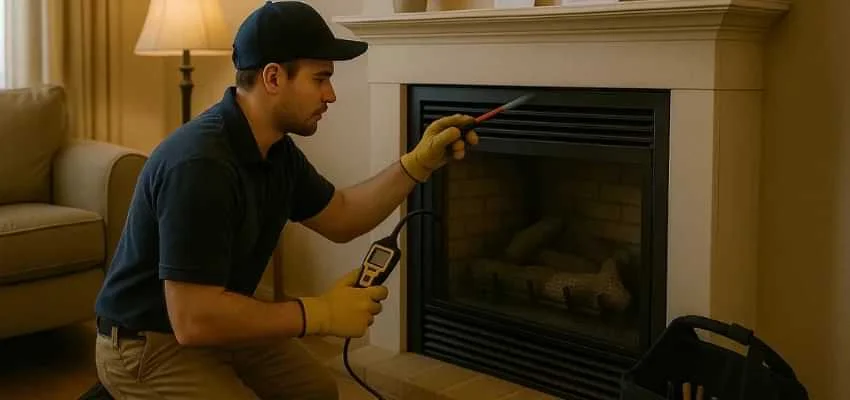
Simple routines at home go a long way, and a periodic visit catches what you cannot see. Together they keep your fireplace in steady shape year after year. Call (778) 601-9928 to plan the next check with Chimney Sweep North Vancouver.
Brush, vacuum, inspect: how Chimney Cleaning works for North Vancouver fireplaces
Why North Vancouver homeowners book Chimney Sweep visits yearly
Flue brushing, damper checks, cleanup: Chimney Sweep Services in North Vancouver
Smoke backing into the room? Call Fireplace Experts in North Vancouver
A cleaner-looking fire after Gas Fireplace Cleaning
Fewer surprises mid-winter with Gas Fireplace Maintenance in North Vancouver