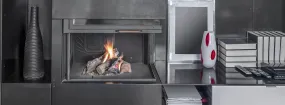
Much of a fireplace is hidden from view. Above the opening sit the throat, the damper and the smoke chamber; around it sit the surround, the hearth and the mantel. Homeowners in North Vancouver who search for “fireplace metal services” are usually dealing with one of these areas and wondering how the others relate to it. The answers here connect the pieces and explain how fireplace metal repair fits into the bigger picture of a fireplace that is both safe and good to look at.
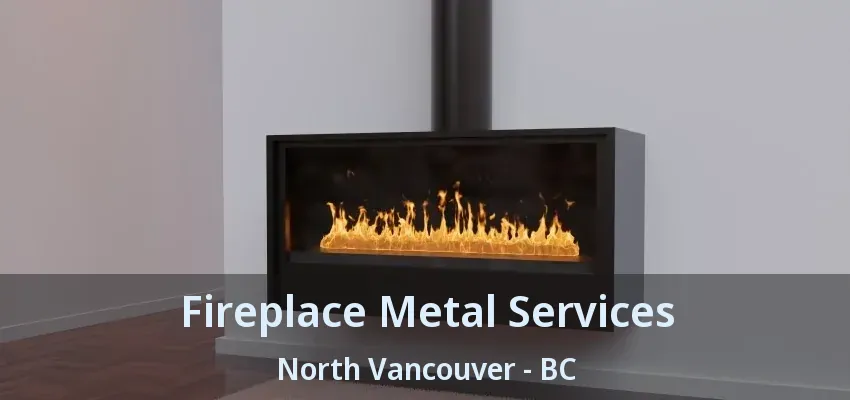
Fireplace metal work covers the steel and cast iron parts that open, close, protect and hold the fire. That includes glass door frames, mesh screens and spark guards, dampers and their handles, grates, andirons and firebacks, metal surrounds and hoods and the steel fireboxes of factory-built units. These parts deal with heat, soot and moisture, so they rust, warp and loosen over time. If you found this page by searching for “fireplace metal services”, the first step is identifying which part is failing and whether it can be repaired or must be replaced with one sized for your fireplace.
Fireplace doors and screens need repair when glass is cracked, doors no longer close or latch, hinges sag, mesh screens tear or the frame has pulled away from the opening. Cracked glass should be replaced before the next fire with glass made for fireplace use, not ordinary window glass. Gaps around the frame let warm room air escape when the fireplace is off. Warping usually comes from very hot fires with the doors closed. Most frames, hinges, handles and mesh panels can be repaired or replaced without changing the whole set.
The giveaways are in how it moves and how the room feels. When we test a throat damper, we work the handle through its full range, watch whether the plate seats on its frame and look for daylight or soot streaks around the edges. Rust scale on the smoke shelf, a pivot that has seized and a plate bowed by heat are common finds. On windy days a loose damper can bang, and a gap you cannot close turns the chimney into a cold draft. Any damper that will not fully open needs fixing before the next fire is lit.
We protect the room with floor coverings, sealed openings and a contained work area, and the setup takes time on purpose because masonry dust travels. The floor is covered from the door to the hearth, plastic is taped around the fireplace opening and, for messy demolition, we build a small enclosure so dust stays in one spot. Cutting is done with dust collection where the tools allow, and mixing happens outside or on protected ground. At the end of each day we vacuum and tidy. Some fine dust can still escape on a demolition day, but it should be minor.
A throat damper can often be repaired if the problem is a seized pivot, a broken handle or debris, but a rusted-through or badly warped plate is usually replaced. One common replacement is a top-sealing damper, which mounts at the top of the chimney and closes with a cable that runs down to the fireplace. It seals tightly with a gasket and doubles as a cap that keeps rain and animals out. Its cost depends on the chimney size and access. The right choice depends on the damper’s condition, how the chimney is built and how tightly you want it to seal.

Ask the contractor for a specific date, because it depends on the materials used. Mortar, refractory cement and some adhesives need time to cure before they face heat, and lighting a fire too soon can crack fresh joints or loosen new finishes. After masonry work, the first fires are usually kept small to drive out remaining moisture gradually. Gas conversions are tested by the installer before handover. Keep the first few fires modest, watch for smoke in the room and make sure your smoke and carbon monoxide alarms work.
Check them at the start and end of each season. Grates sag and burn through over time, especially under hot fires, and a collapsed grate lets logs roll against the doors or screen. Clear ashes from under the grate regularly so air can reach the fire, and avoid stacking wood higher than the grate is designed for. Light rust can be brushed off and painted with high-temperature paint once everything is cold. Replace a grate that is cracked or bent rather than propping it up. When a “fireplace metal services” search leads you to book a visit, ask for the grate to be checked alongside doors and dampers.
Knowing the area saves time on almost every fireplace job. In older and newer neighborhoods alike, we see the same brick styles, the same original dampers and the same surround materials again and again, so we can often predict what is behind a finish before it comes off. We also know which suppliers stock matching brick, stone and refractory materials and how long their orders take. Projects that need several visits, with curing time in between, run more smoothly when the crew is close by. And if a question comes up after the work, you can reach us directly.
Ask to see their work, inside the firebox as well as on the wall. A company that does fireplaces well can show you finished surrounds and mantels, but also the less glamorous jobs: rebuilt fireboxes, parged smoke chambers and replaced dampers. Those pictures tell you it understands the working parts, not just the decoration. Listen for questions about your chimney and how you use the fireplace. A contractor who mentions an inspection before quoting, explains curing time and says which parts of the job go to a gas technician or other specialist is usually a safe pick.
You do not need to know the right terms before you call. Describe the problem in your own words and we will translate it into a plan for your fireplace. Reach us at (778) 601-9928 or ask for a quote online, whichever is easier for you.
Brush, vacuum, inspect: how Chimney Cleaning works for North Vancouver fireplaces
Why North Vancouver homeowners book Chimney Sweep visits yearly
Flue brushing, damper checks, cleanup: Chimney Sweep Services in North Vancouver
Smoke backing into the room? Call Fireplace Experts in North Vancouver
A cleaner-looking fire after Gas Fireplace Cleaning
Fewer surprises mid-winter with Gas Fireplace Maintenance in North Vancouver