Maybe you just took over a property with a fireplace nobody explained to you. Maybe you have run the same stove for many winters and never thought much about the flue above it. Either way, looking up “wood stove chimney services” means you are already asking the right questions. This page gathers what people in North Vancouver usually want to know about wood stove chimney care, explained the way a technician would at your hearth.
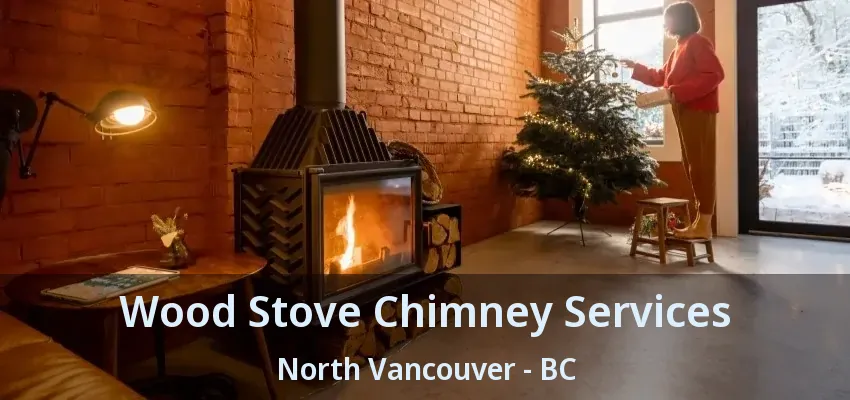
Creosote is the residue that forms when wood smoke cools on its way up the chimney and its tars, gases and moisture condense on the flue walls, and it is dangerous because it burns easily and very hot. A thick layer can catch from a stray spark or an unusually hot fire, and the resulting chimney fire can crack liners and push heat toward nearby framing. Creosote builds faster with damp wood, smoldering fires and chimneys on cold outside walls. It may look like black flakes, a sticky tar or a hard, shiny glaze. If you see any of these on the damper or around the firebox, book a sweep.
Look for rust spots, discolored or bluish metal, joints that have pulled apart or show gaps, and dark streaks or sticky drips of tar at the seams. Smoke or a smoky smell near the pipe while the stove is burning means something is leaking. A pipe that rattles, sags or has lost its screws also needs attention. Single-wall pipe should keep its proper distance from walls and ceilings. If you notice any of these, let the stove go cold and book wood stove chimney care before relighting, since a failing connector sits close to the hottest part of the system.
The obvious signs are noise, smoke and flames at the top, but the ones we look for are what a fire leaves behind. Creosote that has burned swells into a light, porous crust that looks a little like charcoal sponge. Clay tiles crack or shift, metal liners and caps can buckle or turn blue, and the mortar near the top may show heat damage. We sometimes find these marks in chimneys whose owners had no idea anything happened, because a slow fire can burn out on its own. That is why a camera inspection is the usual next step whenever there is any doubt about a past fire.
Cleaning a stove system means treating the stove, the connector pipe and the chimney as one path, because creosote does not stop at the joints. We start inside the stove, since the baffle and the flue collar collect fine ash that chokes the draft. The connector pipe often holds more buildup than the chimney, especially where it turns at an elbow. Then we sweep the flue with a brush that suits the liner. Stoves burned low and slow overnight leave the stickiest deposits we see, so we also ask how the stove is run. Small changes to those habits often make the next cleaning noticeably easier.
A wood stove chimney is commonly swept at least once a year, and a stove that heats the house through most of the winter often needs more than that, with a check partway through the season. Stoves tend to produce more creosote than open fireplaces because they are airtight and often run at low, slow settings that let smoke cool in the flue. Watch for black flakes around the pipe joints, a lazy draft or smoke when you open the door. Ask your technician to show you how to check the buildup safely between visits, always with the stove cold.
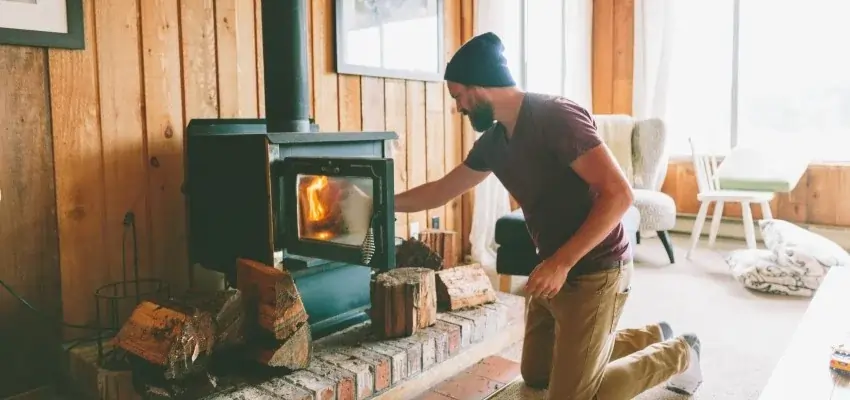
Preparing for a chimney visit mostly means letting the fireplace or stove cool and clearing space around it. Skip fires for at least a day beforehand so the ashes and flue are cold. Move furniture, rugs, screens and decorations a few feet back from the hearth, and take fragile items off the mantel. Outside, make sure the technician can reach the roof: unlock gates, move vehicles away from the walls where a ladder may go and keep pets indoors. Note anything unusual you have noticed, such as smells, sounds or smoke, and have the date of the last cleaning handy if you know it.
You can handle simple upkeep yourself, but the sweeping is usually a job for a professional, and creosote sweeping logs only loosen some deposits rather than replacing a real cleaning. Safe tasks include removing cold ashes, keeping the hearth clear, looking up the flue with a flashlight when the fire is out and checking the cap from the ground with binoculars. Full sweeping means roof work, brushes matched to the liner and a way to contain soot indoors, and it skips the inspection a trained technician does at the same time. Leave anything involving the liner, masonry or gas parts to professionals.
Yes. Any new installation, relocation or swap of one stove for another changes how the system works, so it deserves a professional look before regular use. The technician checks that the connector pipe is the right size and properly secured, that the chimney suits the new stove and that clearances to walls, floors and furniture follow the stove maker’s instructions. Hearth protection under and in front of the stove matters too. If you are arranging “wood stove chimney services” after a renovation, mention any changes to nearby walls or flooring, since those can affect clearances as well.
The chimneys we find cleanest belong to owners who burn hot and dry. Creosote forms when smoke cools before it leaves the flue, so anything that keeps smoke hot and thin helps. Well-seasoned wood looks gray, has cracked ends and knocks hollow; heavy, fresh-looking logs hiss and smoke. Top-down fires, with kindling above the larger pieces, tend to burn cleanly from the start. Stove owners who run a brisk fire for a while each morning, rather than smoldering it all night, also see less buildup. A flue that stays lightly coated from one year to the next is the clearest proof the routine is working.
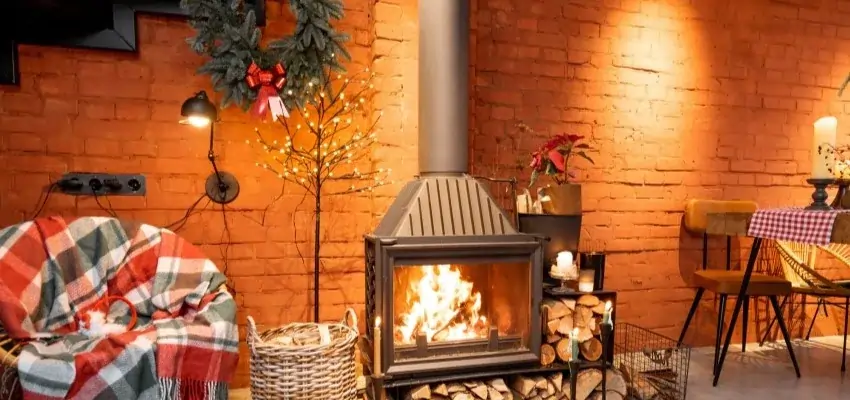
Parts of a home that have been in place for decades, from chimneys to ductwork, often hide earlier fixes and pieces that are no longer made. We check what is really there first, then talk through realistic options with you. Ask about wood stove chimney care for your setup in North Vancouver.
Brush, vacuum, inspect: how Chimney Cleaning works for North Vancouver fireplaces
Why North Vancouver homeowners book Chimney Sweep visits yearly
Flue brushing, damper checks, cleanup: Chimney Sweep Services in North Vancouver
Smoke backing into the room? Call Fireplace Experts in North Vancouver
A cleaner-looking fire after Gas Fireplace Cleaning
Fewer surprises mid-winter with Gas Fireplace Maintenance in North Vancouver